How Do You Choose the Perfect Northern Ontario Cottage Rental?
Ask anyone who holidays in Northern Ontario why they keep going back and the answers sound almost identical. The water is clean. The nights are actually dark. Nobody emails you. What people mention less often is the trip that went wrong first. The cottage that looked spacious in photos and slept six only if two of them were children. The “lakefront” listing that turned out to be a lake view, through trees, from a hill. One bad rental can put a family off the north for years, which is a shame, because the region itself never was the problem.
Choice is the problem, and the fix is knowing what to check before money changes hands. From private rentals scattered across the region to established Northern Ontario cottages run as year-round resorts, the options vary far more than their listing photos suggest. The perfect Northern Ontario cottage rental exists for your group. Finding it takes a method, and the method below covers needs, location, features, reviews, and timing, in that order.
Identify Your Vacation Needs and Budget
Before opening a single listing, work out what the trip actually is. Sounds obvious. Most people skip it anyway, then wonder why they spent three evenings scrolling without booking anything.
Pin down the basics first:
- Group size, counted properly. Six adults need very different sleeping arrangements than two adults and four kids.
- Travel dates, with a backup week if you have any flexibility at all. Flexibility is money in this market.
- The kind of trip. A fishing week, a romantic escape, a big family reunion. Each one changes what “perfect” means.
Then the budget, and be honest with it. The nightly rate is only the opening number. Fuel for a long drive north adds up fast. So do groceries bought in a small town, boat or watercraft rentals, firewood, cleaning fees, and taxes that appear at checkout. A sensible rule is to take the advertised weekly price and add a quarter on top for everything else. If that total still feels comfortable, carry on. If it stings, adjust the dates or the property type rather than pretending the extras won’t happen. They will.
One more thought on trip type. Groups sometimes try to build a holiday that pleases everyone, and it pleases no one. The anglers want dawn starts and silence. The teenagers want Wi-Fi. Perhaps the honest move is to pick a primary purpose and let everything else fit around it.
Choose the Right Location
Two cottages with the same price and the same number of beds can deliver completely different weeks depending on where they sit.
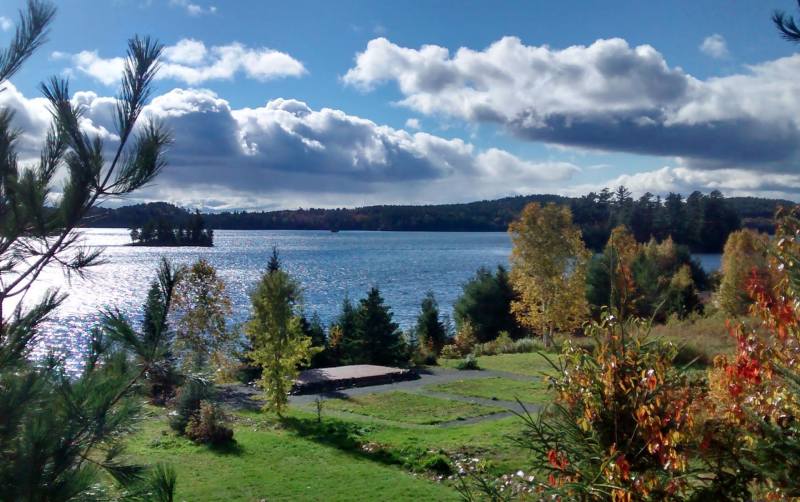
The first decision is lakefront versus woodland. Lakefront costs more and earns it. You get swimming steps from the door, a place to tie up a boat, and that specific quiet of morning water that people drive six hours for. Secluded woodland cottages trade the shoreline for deeper privacy and lower prices, and for some couples that trade makes sense. Just be clear which one a listing is offering. “Water access nearby” is doing a lot of work in some descriptions, and it deserves a direct question: how far, exactly, in metres?
Next, map the surroundings. Where are the hiking trails, the good fishing lakes, the nearest town for supplies or a meal out? Around Elliot Lake, for instance, more than 150 km of groomed trails wind through country holding over a thousand lakes, which is why the area pulls in anglers, hikers, and sledders in equal measure. A cottage that connects to that kind of network gives you options when the weather turns or the group gets restless.
Last, the practical bit people check too late: the road in and the travel time. Gravel roads, seasonal access, steep final approaches. Ask about all of it, especially outside summer. A six-hour drive that ends with a stuck car is a memorable start to a holiday, and not in a good way.
Compare Amenities and Property Features
Here is where listings flatter themselves, and where you protect your week by confirming rather than assuming.
The non-negotiables:
- A full kitchen, with an actual oven and enough fridge space for a week of food
- Reliable heating. Northern nights turn cold in any month, and a cottage without proper heat in May or October is a rough experience.
- Parking for every vehicle and any trailer you’re towing
- Wi-Fi, if anyone genuinely needs it. Many cottages have weak service or none, so confirm rather than hope.
The extras that turn a fine week into a great one:
- A private dock in swimmable, boatable water
- A fire pit with firewood arranged
- A BBQ with propane included, or at least available
- A hot tub, if that matters to your group. Ask whether it runs year-round or gets closed seasonally. People have arrived in October to find the tub drained, which was technically in the fine print.
- Canoes, kayaks, or boats, either on site or rentable close by
Think about comfort and accessibility too. Steep stairs, a dock ladder, a ground-floor bedroom. If anyone in the group has mobility limits, ask the host directly instead of guessing from photos. Resort-style properties tend to answer these questions quickly over the phone, which is one quiet advantage they hold over an anonymous listing.
Read Reviews and Verify Rental Policies
Reviews are where the truth lives. Read them properly, not just the star average. Look for repetition. One guest complaining about mattresses might be fussy. Four guests across two summers saying the same thing are telling you something. The three themes that matter most: cleanliness, maintenance, and how fast the host responds when a problem comes up. A water pump will fail somewhere in Northern Ontario this summer. The only question is whether the host answers the phone when it does.
Then the paperwork, which nobody enjoys and everybody should read:
- Cancellation terms and refund windows
- Deposit amounts and when they come back
- Every listed fee, plus a direct question to the host: is there anything not shown here?
- Check-in procedure, key collection, and arrival cut-off times
- Pet rules, guest limits, quiet hours, and fire regulations during dry spells
Hidden fees deserve special suspicion. Cleaning charges, per-pet charges, linen fees, and “service” percentages have a way of appearing between browsing and paying. Screenshot the total before you confirm. It takes ten seconds and settles any later dispute.
Book Early and Prepare for Your Stay
The uncomfortable truth about the north: the good places are claimed months out. July, August, and holiday weekends often book six to twelve months ahead, and repeat guests quietly rebook their favourite week before leaving. Waiting for a deal on a prime summer week mostly means watching the calendar fill while you deliberate.
Once booked, open a line to the host. Confirm arrival time, directions past the point where GPS gives up, what bedding is supplied, and anything specific to your group, whether that is a cot, a boat, or an early check-in. Hosts remember guests who communicate clearly, and it tends to pay off.
Packing is the last piece. Match it to the season and the plan. Summer means bug spray, sunscreen, swimwear, and a warm layer for evenings, because the temperature drops the moment the sun does. Autumn and winter trips need serious insulation, proper boots, and a torch. Whatever the season, bring more food than feels necessary. The nearest shop is rarely as near as you’d like.
Final Thoughts
The perfect Northern Ontario cottage rental comes down to a sequence, not luck. Know your group and your true budget, choose the setting before the property, confirm every feature you’re counting on, read reviews for patterns, question every fee, and book earlier than feels reasonable. Compare a handful of options against that list and the right one tends to reveal itself fairly quickly. The lakes will do the rest. They always have.
FAQs
1. What should I look for in a Northern Ontario cottage rental?
Start with sleeping capacity that matches your real group size, working heat, a full kitchen, and confirmed water access. Then check reviews for patterns on cleanliness and host responsiveness before anything else.
2. When is the best time to book a cottage in Northern Ontario?
Six to twelve months ahead for July, August, and holiday weekends. Spring and autumn stays can sometimes be arranged closer to the date, though waterfront properties still go first.
3. Are lakefront cottages worth the extra cost?
For most groups, yes. Swimming, boating, and fishing from your own shoreline shape the whole week. If the budget is tight, a woodland cottage near a public access point is the reasonable compromise.
4. What amenities are most important for a comfortable stay?
Heating, a proper kitchen, and parking come before anything else. After that, a dock, a fire pit, and a BBQ add the most to daily life at the cottage. Wi-Fi matters only if someone truly needs it.
5. How can I avoid unexpected rental fees?
Read the full fee breakdown before paying, ask the host directly whether any charges are missing from the listing, and screenshot the final total at booking. Cleaning, pet, and linen fees cause most surprises.