5 Important Steps After a Collision: Auto Body Shop in Sacramento
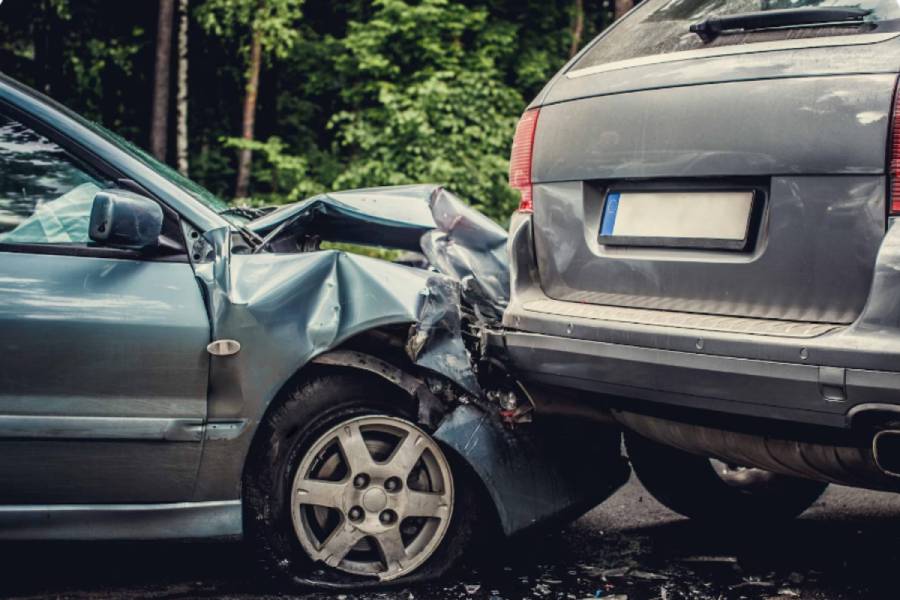
Nobody walks out of a fender-bender thinking clearly. The mind goes somewhere else for about ninety seconds, replaying what just happened from a weirdly removed angle, while the other driver climbs out with a phone already in hand. Maybe they’re fine, maybe they’re furious. Sacramento traffic stacks up behind you, and someone leans on a horn. You haven’t even checked if you’re hurt.
Most people only end up in this situation a couple of times in their lifetime, so there’s no rehearsed routine. People skip photos because the damage looks obvious. They forgot to write down a plate. They let some random tow truck driver who appeared out of nowhere haul their car off to who-knows-where. None of that registers as a mistake at the moment. It registers later, when a quote from an auto body shop in Sacramento shows up, and your adjuster starts asking pointed questions you don’t have clean answers to.
What follows are five things worth doing in roughly the order they tend to come up. Not a checklist exactly, more a sense of what matters when. A decent auto body repair shop will untangle most of what you couldn’t do yourself, but those first couple of hours really do shape how messy the next month gets. Relux Collision is one of the family-run places around town that sees the same patterns repeat.
Make Sure Everyone Is Okay First
Check yourself first, then whoever was in the car with you. The other driver, too, if you can get out safely. Adrenaline papers over real injuries until the body finally lets you feel them, sometimes hours later. People say they’re fine and then can’t turn their neck the next morning. If there’s any chance someone is hurt, dial 911 and let the dispatcher figure out what comes next.
Even when nobody seems injured, having paramedics show up creates a paper trail that proves useful. Whiplash is the famous one, but concussions can sneak up days later, and back issues can take a week to surface. Getting checked when you’re not sure is almost always the right move.
Get Off the Road If You Can
Drivable cars need to come off the road. California law says so for minor accidents, and frankly, it’s just smart. Sitting in a live lane on I-5 while you swap insurance info is how second collisions happen, and the second one is usually nastier than the first. Pull onto the shoulder, into a parking lot, somewhere out of traffic.
If a car can’t move, leave it where it is, turn on the hazards, and stay buckled in unless something’s smoking. Standing between two cars in the middle of the road to compare drivers’ licenses feels safe, but it absolutely isn’t. The shoulder seems safer than it really is.
Document Everything Before It Disappears
Photos. This is where everyone falls short, and everyone regrets it. Take way more than you think you need. Step back and shoot the whole scene, then close in on the damage from a few angles. Get the other car’s plate, both insurance cards, the other driver’s license (front and back), the cross-street signs, and any skid marks. If the dashcam caught it, save the file before it’s overwritten.
Names and numbers come next. Other driver, obviously, but if anyone witnessed the crash, try to grab them before they leave. Witnesses vanish fast. Get an officer’s report number if police show up. California requires you to file an SR-1 with the DMV within ten days for any accident involving injury or over a thousand dollars in damage, which honestly covers nearly every modern collision once you factor in how expensive bumper sensors have gotten.
Call Insurance Sooner Rather Than Later
A same-day phone call is the safe play. Most policies have language about reporting within a reasonable timeframe, so just don’t sit on it. The other driver’s insurance company might call you first to fish for a recorded statement. Be polite, share the basics, but don’t commit to a recorded statement and don’t speculate about fault. That kind of stuff gets used later.
You can file with your own insurance even if the wreck wasn’t your fault. A lot of people don’t realize this. Your own carrier moves quicker than waiting on the other side to admit responsibility, which can drag on for weeks. The insurer chases the at-fault driver behind the scenes after the fact.
When it comes to towing, you get to choose where the car goes. Some insurance companies will recommend a “direct repair program” shop, which can speed things up, but it’s never required. Any licensed shop in California can handle the work. If a tow operator is pushing you toward a specific lot, that should make you suspicious rather than relieved.
Pick the Repair Shop Carefully
A lot of the long-term cost of a collision actually gets locked in here, not at the moment of impact. Choose a shop that goes for cheap and quick, and you might end up with paint that visibly mismatches in eighteen months, or a panel that sits a hair off, or worse, sensors that never got recalibrated and now your blind-spot system is silently lying to you. Modern cars are full of cameras and radar that need recalibration when something significant gets bent or replaced.
When you call shops to compare, ask specifically about diagnostic scanning, ADAS calibration, and whether they handle insurance paperwork themselves. A real warranty matters. Plenty of legit shops offer a lifetime warranty. Look at reviews, but read past the star count. What you actually want is people talking about communication, accurate timelines, and how the shop dealt with hiccups, because every job has hiccups.
A collision turns out to be about way more than just metal. Insurance, your time, the rental situation, and the trust you end up extending to the people working on something you’ll drive your kids around in. The hours immediately after the wreck won’t undo what happened, but they really do set up how the next few weeks unfold.
Featured Image Source: https://www.freepik.com/free-photo/image-auto-accident-involving-two-cars_25866264.htm#fromView=search&page=1&position=0&uuid=11c2fa49-2766-40be-97bd-695edad0d6cb&query=car+collision+