Why “Minor” Dents Matter: Auto Body Shop in Sacramento
There’s a small dent in the back door of my neighbor’s Civic. Has been there for three years. He keeps saying he’ll get to it. The car has otherwise been well-kept, oil changes on time, tires rotated, you know the drill. But that dent. He notices it every time he gets in. Then he forgets about it until next time.
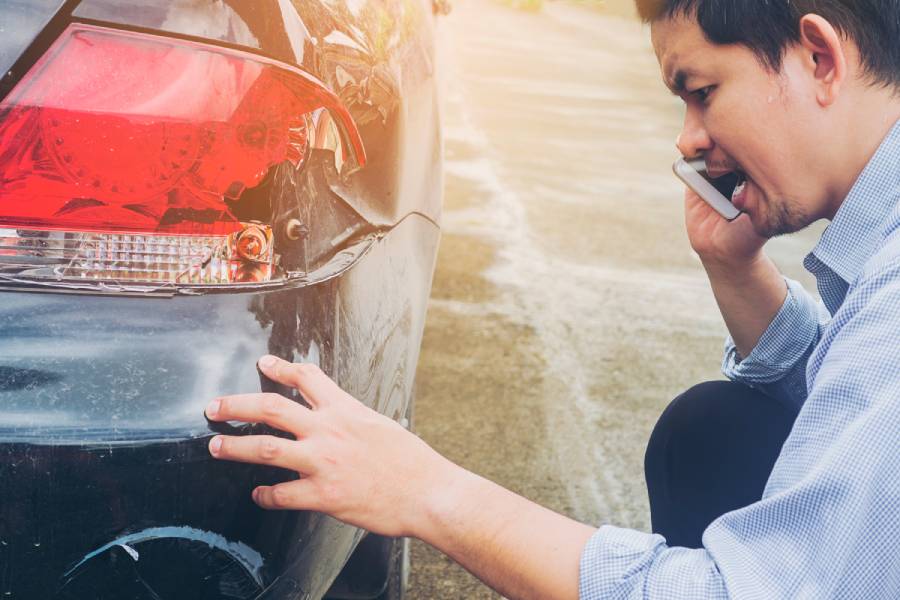
This is how it goes for most of us. A door ding from a shopping cart, a small parking lot incident, somebody’s kid runs a bike into the side of the car. The damage is maybe two inches across. Paint isn’t cracked, or so it looks. Months turn into years, and one day you’re at an auto body shop in Sacramento for something else, ask about it, and the quote comes back way higher than expected. Because what was a dent on day one is, by year three, a dent plus rust plus paint that needs to be matched.
An auto body repair shop will tell you which dents can wait and which ones really can’t, but most owners don’t call until something’s already gone bad. Relux Collision is one of the family-owned shops around here that takes those calls without trying to upsell every single one.
What’s Going On Under There
Body panels are thinner than people think. Surprisingly thin. When something hits one hard enough to leave a mark, the steel deforms, and the paint and clearcoat covering it are also stressed. Even when the surface looks fine, there’s usually microscopic stuff happening to the clearcoat that the eye misses.
Then water finds its way in. Rain mostly, car wash spray, morning dew, anything wet. Modern paint is waterproof in theory, but only when it’s intact. Once the clearcoat develops a crack, water reaches the basecoat and then the metal underneath. Steel plus water plus air equals rust over time. Not next week. But over months it builds.
The annoying part is the rust often starts on the back side of the panel, in the dark, where you can’t see it. By the time you notice brown bubbling through to the outside, the inside is already worse than what you’re looking at.
Door Dings vs Collision Dents
Door ding is what you get from another car door swinging open into yours, or a shopping cart in a windy parking lot. Smaller area, but the angle of impact often does more direct paint damage. Sometimes, some paint chips off in a tiny flake. Sometimes it just cracks and stays in place, which is honestly worse, because everything looks fine for the first couple of months while water sneaks in behind the cracked layer.
PDR is the move for a lot of these. Paintless dent removal. The technician uses specialist tools to push the dent out from the back side of the panel, working the metal back into shape. Done by someone good at it, you genuinely can’t tell where the damage was. Faster than a repaint. Cheaper. No color matching needed.
But. PDR only works when the paint is unbroken. If the clearcoat cracked, the paint chipped, or the metal stretched past where it can be pushed back, PDR won’t fix it without painting. Most shops can tell from a phone picture whether your dent qualifies. Worth a five-minute call.
Modern Cars Have Stuff Inside The Panels
Suppose your car is 2018 or newer; there’s a real chance the panels aren’t just panels. They’re wrappers around radar units, cameras, and sensors. Front bumpers, especially. The radar that runs adaptive cruise control sits behind the bumper cover. Side mirrors usually have cameras for blind-spot monitoring. Some models have parking sensors along both bumpers.
A small dent in the wrong spot can knock one of these slightly out of alignment. Doesn’t take much. A degree or two is enough that the radar starts reading the wrong distances, or the camera misjudges lane lines, or parking sensors think your car is closer to the curb than it is.
This is the part that bugs me about people skipping minor body work on newer cars. Damage to the metal is small. Damage to the systems can be invisible until something goes wrong. A diagnostic scan after any dent on a 2015-or-newer car is worth doing.
Resale, If You’re Going To Sell Eventually
Anybody buying a car from you walks around it slowly. They run their hand along the panels. Look for dents under different lights. A clean car reads as a maintained car. One with two or three small dings reads as a car that’s been knocked around in parking lots and probably had other stuff too.
Dealers especially. They’ll use any visible damage as a reason to drop the offer way more than the dent would cost to fix. Like, $250 PDR job vs $1500 less on the trade-in. Math works in favor of fixing the dent basically every time, if you’re planning to sell within the next few years.
For a car you’re going to drive into the ground, sure, live with it. For one, you’ll part with eventually, eventually is sooner than people think.
When You Shouldn’t Wait
There are a few situations where putting it off is a bad call. The paint is cracked or chipped around the dent. Any rust at all visible, even tiny edges. Dent is on a flat, upward-facing surface, such as the hood or roof, where water pools. There’s a sensor anywhere near the impact zone on a newer car. You’re planning to sell or trade within a year or so.
Outside of those, yeah, the dent can probably wait a few months. The trap is that “a few months” becomes “I’ll deal with it eventually,” which then becomes five years. Dents become part of how you see the car, until one day you actually look at it closely and notice the rust that’s been quietly happening.
Featured Image Source: https://www.freepik.com/free-photo/man-is-calling-insurrance-company-claiming-his-car-crash-damaged-road-accident_3805669.htm#fromView=search&page=1&position=2&uuid=3b4fe556-722f-43fb-b9fd-8563278c9d91&query=Minor+dent+on+car