What Features Should Women Look for in a Comfortable Hair Tie?
You probably don’t think about your hair tie until it hurts. The tight pony that turns into a headache by 3pm. The band that yanks a few strands loose every time you pull it out. The dent that won’t drop out of your hair before dinner. Comfort sounds like a minor thing next to that, but it’s the difference between a tie you forget you’re wearing and one you can’t wait to take off. For something you wear most days, that matters more than the price on the pack.
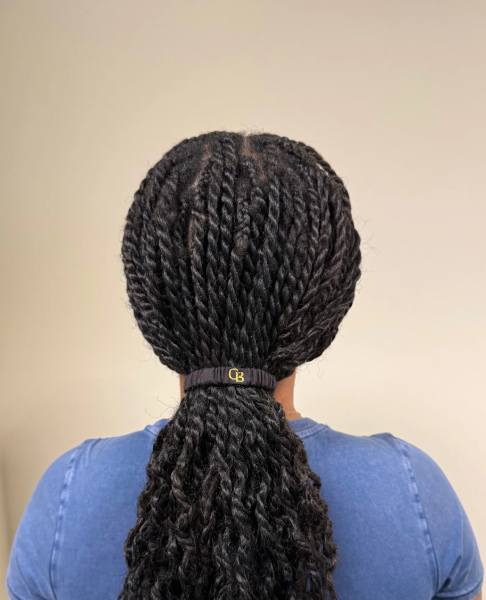
Most of that discomfort traces back to the wrong materials and too much tension. A stiff plastic-coated band drags across your hair and squeezes one spot on your scalp for hours. A softer, stretchier tie spreads that pressure out and slides free without a fight. Take the Hair Halo™ from Ciao Bella as an example. The pineapple fiber blend gives a soft surface, and the natural rubber and cotton core holds without the bite of a synthetic elastic. The features below are what separate comfortable hair ties for women from the ordinary packs that leave a mark.
Choose materials that are gentle on hair
Material is the first thing that decides whether a tie is kind to your hair or not.
- Cotton and fabric blends. Soft, breathable, and easy on strands. They grip without the rough drag of bare elastic.
- Satin and silk. Slippery surfaces that cut friction, which is why they leave fewer tangles and less frizz behind.
- Pineapple fiber and other plant fabrics. Soft like cotton, with a bit more structure for hold.
- Bare rubber bands and plastic-coated elastics. The rough offenders. They catch and wear your hair down at the surface.
Friction is the quiet culprit here. Every time a rough band rubs against your hair, it lifts the cuticle and weakens the strand a little. Do that twice a day for a year and you start to feel it.
A smooth surface, fabric or satin, glides instead of dragging. Less snag coming out, less damage over time. Hair ties that don’t pull hair almost always start right there, with a soft surface and no rough edges. That’s most of the comfort difference before you even get to stretch, honestly.
Look for the right balance of stretch and hold
A comfortable tie lives in a narrow band between too tight and too loose.
Too tight, and you get the headache and the root strain. Too loose, and the style slides down within an hour and you keep redoing it, which is its own kind of annoying. The sweet spot holds your hair where you put it without you feeling it the whole time.
Stretch matters more than people expect. A tie with good give wraps to fit your hair instead of clamping down on it. One with no stretch left, the kind you’ve worn slack over months, grips by squeezing harder. That’s the worst of both worlds. Tight and unreliable at the same time.
The best hair ties for comfort tend to have a soft, generous stretch and snap back to shape afterward. You should be able to wrap a thick pony twice without it digging in, then have the same tie hold a fine pony with a single loop. Gentle hair ties for women usually share that one quality. They adjust to you, not the other way around.
Prioritize hair ties that minimize breakage and creases
Breakage and that stubborn dent usually come from the same couple of flaws. Rough surfaces and hard edges.
- No metal crimp. The little metal clasp on a standard elastic is a snag waiting to happen. It catches strands and snaps them. A band with no metal at all removes the worst offender.
- A continuous, smooth band. Ties without a hard seam or join don’t press a sharp line into your hair, and there’s no rough edge to catch on.
- A soft, wide surface. Wider, softer ties spread their hold over more hair, so no single section takes the full strain.
The dent is a comfort issue too, not only a looks one. A hard crease means the tie pressed into one tight line all day, which is the exact pressure your scalp felt for those hours. Hair ties that prevent breakage tend to be the same ones that slide out without leaving a mark. The gentleness shows up in both places at once.
Consider your hair type and daily hairstyles
Comfort isn’t one-size-fits-all. What feels great on fine hair can slide straight off thick hair, and the reverse happens too.
- Fine hair. You need grip without bulk. A thin, soft tie holds better than a wide band you have to crank tight.
- Thick hair. Volume needs stretch and strength. A tie that takes one or two wraps beats one you fight to get around four times. What hair tie works best for thick hair comes down to width and give.
- Curly and textured hair. Smooth surfaces matter most here, since rough bands snag and tug curls loose.
- Straight, slippery hair. A little texture or grip in the tie keeps it from sliding out through the day.
Match the tie to the job, too. A high pony and a heavy bun pull harder than a loose half-up, so they need more hold and a wider band to stay comfortable. Braids do fine with a small, low-grip tie at the ends. For everyday wear, lean softer than you think you need. The tie you barely notice is the one you’ll actually keep reaching for.
Evaluate durability and all-day wear comfort
A tie that’s comfortable on day one but dead by week three isn’t really comfortable. It’s just new.
A few signs separate the ones built to last.
- It snaps back. Press it and it returns to shape instead of staying stretched out.
- The surface stays smooth. No fraying or rough patches forming after a few washes.
- It holds through a real day. A full workday and a workout, without sliding or loosening on you.
Durability is a comfort feature, even though it sounds like a separate thing. A tie that keeps its stretch keeps its gentle hold. The ones that wear out start gripping harder to make up for the slack, and that’s when the pulling and the headaches creep back in. Buying one good tie that lasts also beats rebuying cheap packs every month, which is the quiet cost most people never bother to add up.
The features worth holding out for
Comfort comes down to a handful of things working together. A soft material that won’t snag. Stretch that holds without squeezing. A smooth, no-metal build that skips the dent. A fit matched to your hair, and enough durability to stay that way past the first month.
Pick based on how you actually wear your hair, not the prettiest pack on the shelf. Your scalp at 3pm will thank you. Explore comfortable hair accessories built to hold without the pull and skip the daily fight at the end of the day.
FAQs
What type of hair tie is most comfortable for daily wear?
A soft fabric tie with good stretch and no metal crimp. It spreads pressure across more of your hair, holds without squeezing, and comes out without a dent. For everyday use, gentleness beats raw grip strength, so lean softer.
Which hair ties cause the least hair breakage?
Smooth, wide, no-metal ties. The rough surface and hard metal clasp on standard elastics are what catch and snap strands. A soft fabric band removes both problems and spreads the tension out across the hair.
Are satin and silk hair ties better than regular elastic hair ties?
For friction, usually yes. Their slick surface tangles and frizzes hair less than bare elastic does. The trade-off is hold. Some silk ties loosen during activity, so for a workout you may want a grippier fabric with real stretch.
What hair tie works best for thick hair?
A wide, stretchy tie that holds with one or two wraps. Thick hair strains a small tie and forces extra loops that pull at your scalp. Look for genuine stretch and a soft, wide surface.
Can tight hair ties cause headaches or hair damage?
Yes. A tie pulled too tight puts steady tension on your scalp, which can bring on headaches, and the same daily strain on one spot can weaken the hairline over time. A looser, gentler hold avoids both.