Behind Your Appliances: What Accumulates and Why San Diego Deep Cleaning Matters
Your refrigerator hasn’t moved away from the wall in three years. That stove has grease splatter behind it from every meal that you’ve cooked up to now. Notice the washing machine hums away weekly, but you have never looked behind it. Out of sight, out of mind. That is the problem.
Homeowners generally clean the visible surfaces. Countertops get wiped. Floors get vacuumed. Bathrooms get scrubbed. But what about the smaller spaces behind and below appliances that can go months, maybe years, without a clean? This is why we offer deep cleaning in San Diego: it reaches places most people are shocked to see behind these machines.
No one ever expects to find a wall of grease, grime, and debris when looking behind an appliance. That wake-up call you do not want to hear. All these hidden, dirty zones are discovered by Clearwater Cleaning almost every time, and the fact that you see behind most appliances is a story of neglect, which common incoming cleaning will by no means end.
The space between the refrigerator and the wall turns into a catch-all for anything that falls or drifts that way. Grease pools and hardens under the stove. Lint and moisture gather behind the washing machine, creating an ideal breeding ground for mold and bacteria.
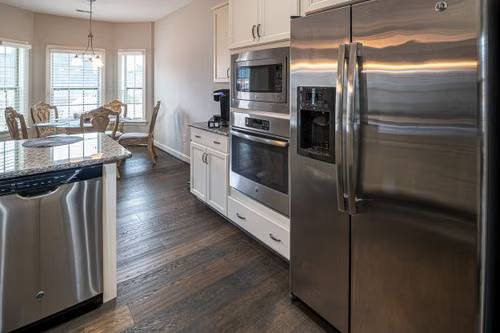
The back or bottom coils of refrigerators give off heat. Dust particles are attracted towards the appliance by warm air. Dust has been known to adhere to the fins once it makes its way back into the coils, where it builds up in layers that quickly tangle together and become matted. It happens gradually over months, and you never notice it.
The dust forms a layer that traps the coils, preventing heat from being released. Your fridge has to run harder to maintain temperature. The compressor runs longer cycles. Your energy bill rises without reason. The appliance is aging more quickly than it should. Then the cooling system stops working, and you need an expensive repair or replacement.
Dust is only the beginning. Food particles drop behind the fridge. Crumbs, grease spots, and remnants of lost treasures accumulate back there. Insects find this environment appealing. And a running refrigerator provides a warm space for roaches and other pests to shelter. They breed in the dark, undisturbed space. They might see you in the kitchen during the day, but most of its population hides behind your kitchen appliances.
There is a floor underneath to catch pooling liquid. Condensed water droplets form and flow down, creating puddles. That moisture not only spurs mold growth but also is a prime harbor for bacteria. A refrigerator that hasn’t been cleaned in years could emit foul odors from behind it. Those odors are created by mold, bacteria, decaying food, and pest excrement.
The Grease Stuck Around the Back of Your Stove
When you cook, big particles are propelled into the air. Such particles land on every surface in the kitchen, including behind and under the stove. A thin layer appears first. It thickens significantly after a year. In three years, it hardens into a concrete layer.
Grease attracts dust. Together, they make a sticky, grime-like paste that forms into a crust. It coats the back of your stove and the area underneath it with a layer of this crust. Add heat from cooking, and it gets even worse. It turns into dark, stubborn grime. It takes considerable time and makes a mess, ruins the wall, or the appliance.
Pest activity loves grease. Roaches feed on grease residue. Typically, they can be found in nooks and crannies near your stove. Behind appliances, rodents are chewing away at grease-soaked insulation. It is not just a cleaning problem if the pests establish a population behind your stove.
A buildup of excess grease becomes a fire hazard. Grease is flammable. A heavy buildup behind or under the stovetop can be a fire hazard. Your insurer is unlikely to appreciate hearing about thick grease layers behind your cooking unit. An accident could void coverage.
Crawl Spaces Under Washing Machines and Dishwashers
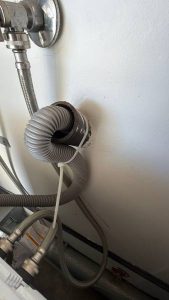
The idea is that regular washing machines leak water continuously while running. Escapes are small around the drum seal. The straight off comes from clothes, and dust falls. Water will pool under the machine or run down the back. Then this standing water provides an ideal situation for mold.
When a washing machine sits on wood, moisture can accumulate beneath it, leading to mold growth and releasing spores into your home. Those spores are blown through the air and land all around your home. They cause allergies and breathing issues. You will notice the smell when mold has grown a lot. A musty smell near where you wash suggests mold under or around the washer.
Dishwashers have similar issues. Mold and mildew thrive in the environment created by food particles, grease, and moisture. So this floor underneath gets wet and slippery. They have a rich bacterial ecosystem in this wetland. Often, people do not notice their dishwasher is leaking bit by bit until either mold comes up or the smell becomes unbearable.
Around washers, lint collects in hard-to-reach spaces. Moist lint creates a goo that just gloms onto everything. This paste will catch more lint and debris. The higher the temperature, the harder it gets to clean. Likewise, specialized equipment and tactics reach the level of detail that domestic owners can’t achieve with conventional tools.
Why Regular Cleaning Cannot Clean Those Corners
Most appliances cannot allow a vacuum to get behind them. Brooms cannot reach underneath. A mop or cloth will not remove buildup that has hardened into a crust. A person would be hard-pressed to even get a hand or a thin tool into the gaps left between an appliance and the wall.
There is a risk of damaging the appliance if you move it yourself. Refrigerator coils are delicate. You may also break a water line or damage wires. There are gas connections to stoves that should not be disturbed. Fill hoses and drain lines comprise a washing machine. Also, if you lack the necessary knowledge, moving an appliance can pose safety risks or cause costly damage.
It needs special cleaning fluids for the accumulation. Degreasers more powerful than dish soap are needed for stubborn grease. Mold needs appropriate fungicides. Bacteria require sanitizers. The wrong product can do wonders, leaving marks on an appliance’s surface or causing corrosion. Cleaners can blend their experience with serviceable products so they know which products work on a surface and which don’t.
The San Diego Climate Factor
Humidity in San Diego accelerates mold growth. Also, the coastal air is more moist as it moves inland. There is more moisture in the air at your house than in areas further inland. Cold surfaces facilitate condensation of water. Condensation problems exist behind your fridge, beneath your washer, and around your dishwasher all the time. This continuous dampness creates the perfect environment for mold to thrive in.
Salt air also affects appliances. In a coastal environment, metal components corrode more rapidly. Salt, humidity, and stagnant water behind appliances hasten corrosion and decay. Salt and moisture can cause damage that will not be repaired if they are allowed to remain on the vehicle, and regular cleaning prevents it.
San Diego is more mellow in terms of temperature extremes, but appliances still heat things up and create temperature differences. This temperature difference forces dirt and humidity towards appliances. The weather seems to promote buildup within the nooks and crannies of appliances.
What Professional Deep Cleaning Reaches
Appliances are moved safely by professional cleaners, who are insured in case anything goes wrong. They come with gear built for tight spots. You can access areas that regular mops can’t reach with steam cleaners. They pick up debris and disinfect areas infested with mold and bacteria.
Typically, that means carefully moving the appliance, thoroughly cleaning the area underneath and behind it, identifying any signs of damage or pest activity, and putting it back in place. These tasks may sound easy, but you need to know a little about how appliances are installed and handled, as well as the proper way to clean them.
The notice is the relief after thorough cleaning behind the appliances. The smell disappears. The mold risk drops. Your devices function properly despite the wear and tear of dust and grease that can choke their systems. Energy bills creep lower, too, since appliances will no longer have to fight against deeply ingrained dirt.
When Deep Cleaning Becomes Urgent
So if you have not had time to look behind your appliances for more than a year, the buildup is substantial. Mold tends to grow in areas where a musty odor is detected near appliances. If you notice that your refrigerator is running virtually around the clock or your energy bill has suddenly soared, it may be suffering from obstructions.
If you spot pests inside your kitchen that look invisible long enough to remain hidden by the controls of your best appliances, instead of swarming around, there are more likely populations living under or in your systems. You need to be exterminating those populations, as well as what they feed on. They return in weeks if pests are eliminated without cleaning behind devices.
While professional deep cleaning addresses the root cause rather than a symptom. It eliminates the buildup that fosters pests, mold, and bacteria. It restores appliance efficiency. It leaves your kitchen cleaner and healthier than surface cleaning could ever achieve.