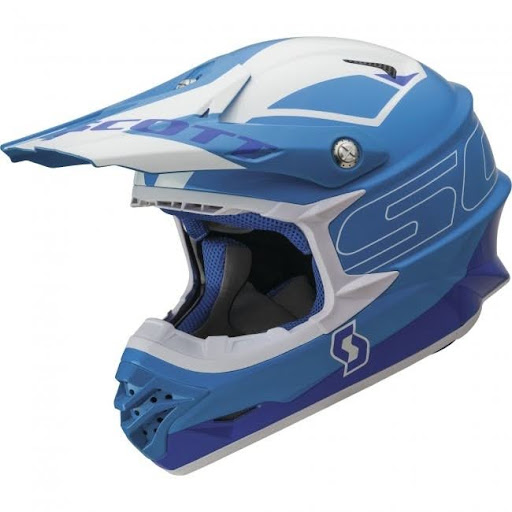
How Do You Choose the Right Size Bike Helmet?
A bike helmet only works if it fits right. Seems obvious, but most riders get this wrong.
An ill-fitting helmet can slide off during impact. Or it might not cover the right areas of your skull. The statistics are pretty clear. Helmets reduce head injury risk by 60% when they fit properly. That number drops fast when the fit is off.
Too loose and the helmet shifts around. You might think it’s on correctly until you hit a bump and it tilts back, exposing your forehead. Too tight and you’ll get headaches, pressure points, and probably stop wearing it altogether. Neither scenario protects you.
Size matters but so does shape. Your head isn’t perfectly round and neither are helmets. Some brands fit narrow heads better. Others work for rounder skull shapes. Then there’s riding style. A road helmet doesn’t fit the same way as a mountain bike helmet even if they’re both labeled medium.
This guide walks through the actual steps to get your helmet fit right. From measuring your head correctly to adjusting straps, we’ll cover what makes a helmet safe versus what makes it dangerous.
Do you know if your helmet is actually protecting you fully? Most people don’t check after the initial purchase.
Measuring Your Head Correctly
Start with a soft measuring tape. The fabric kind works best because it conforms to your head shape. Metal tapes are too rigid and give inaccurate readings.
Position the tape about one inch above your eyebrows. This is the widest part of most people’s heads. Wrap it around, going above your ears and meeting at the back of your skull. The tape should sit level all the way around. Not tilted up or down.
Pull the tape snug but don’t compress your skin. You want contact without pressure. If someone else can help, even better. It’s hard to keep the tape positioned correctly while also reading the measurement.
Write down the number in centimeters. Most helmet sizing charts use metric measurements. If you only have inches, convert it. One inch equals 2.54 centimeters.
Hair adds bulk. If you have thick or long hair, measure with it styled the way you’ll wear it while riding. Ponytails, braids, or buns change the fit. Some riders with longer hair measure twice—once with hair down, once with it up—then average the results.
Compare your measurement against manufacturer sizing charts. Here’s where things get tricky. A 56cm head might be a medium in one brand and a large in another. There’s no universal standard. Brand sizing charts are your friend. Check them before buying, not after.
Take measurements at different times of day if you’re between sizes. Your head can swell slightly during exercise or in heat. If you ride in varied conditions, knowing your maximum circumference helps pick the right size.
Most adults fall between 54-62 centimeters. Kids range from 48-56 centimeters depending on age. If your measurement seems off, double-check your tape placement.
Understanding Helmet Sizes and Fit
Helmet sizes run from extra small to extra extra large, but those labels mean different things across brands. A medium from one manufacturer might measure 54-58cm. Another brand’s medium could be 55-59cm. That one centimeter overlap matters more than you’d think.
European brands often size differently than North American ones. Asian market helmets tend to run smaller overall. If you’re ordering online, read reviews mentioning fit. Other buyers with similar head measurements provide better guidance than the size chart alone.
Can two medium helmets feel very different? Absolutely. Shell shape plays a huge role. Some helmets have a rounder interior profile. Others are more oval. Your head shape might be long front-to-back but narrow side-to-side. Or perfectly round. Or wide and shallow.
Try the helmet on before buying when possible. Online shopping is convenient but sizing errors are common. If you must buy online, check the return policy first. Many specialty shops let you try multiple sizes and keep the best fit.
The helmet should feel snug all around. Not tight in some spots and loose in others. Even pressure distribution is the goal. If you feel specific pressure points, that helmet shape doesn’t match your head shape.
Look at fit systems too. Some helmets use thick padding to adjust fit. Others rely on retention dials. Neither is better universally. It depends on your head shape and personal preference. Thick padding works well for rounder heads. Dial systems help with oval head shapes.
Kids grow fast, but don’t buy helmets too large with the idea they’ll “grow into it.” An oversized helmet provides zero protection. Replace kids’ helmets yearly if needed. Safety beats frugality here.
Checking for Proper Helmet Fit
Put the helmet on and position it level on your head. The front edge should sit about one inch above your eyebrows. Not higher. If you can see the helmet’s front edge when you look up, it’s too far back.
Level means the helmet isn’t tilted forward or backward. Many people wear helmets pushed back like a hat. That exposes the forehead during a fall. Your forehead is fragile. It needs coverage.
Fasten the chin strap loosely for now. Shake your head side to side. Does the helmet move independently of your head? That’s bad. The helmet and your skull should move as one unit.
Nod your head up and down. The helmet should stay in place. If it slides forward and back, you need a smaller size or better adjustment.
Try this test: Place your palms on both sides of the helmet and twist gently. The skin on your forehead should move with the helmet. If the helmet rotates but your skin stays still, it’s too loose.
Remove the helmet and check for red marks on your forehead. Some temporary pressure marks are normal. Deep indentations or painful spots mean it’s too tight or the wrong shape for your head.
Look in a mirror from the side. You should see the helmet covering the top of your forehead and extending down past the base of your skull in back. If it looks like it’s perched on top of your head, try a different size or model.
The comfort test matters too. You’ll wear this helmet for extended periods. If it’s uncomfortable in the store, it’ll be worse on a long ride. Don’t convince yourself you’ll get used to a bad fit. You won’t.
Some discomfort is normal during the first few rides as padding breaks in. But pain or numbness isn’t. Trust your body. If something feels wrong, it probably is.
Adjusting Straps and Retention Systems
Chin straps need specific positioning. The buckle should sit just under your chin, slightly off to one side. Not pressing into your throat.
Tighten the strap until you can fit one or two fingers between the strap and your chin. Looser than that and the helmet can come off during impact. Tighter makes breathing difficult and feels restricting.
The side straps should form a “V” shape under each ear. Not in front of your ears or behind them. Under them. This “Y” positioning keeps the helmet stable during movement.
Adjust the slider on each side strap to achieve this V shape. Most helmets have a small plastic slider that moves up and down. Position it right below your earlobe.
Rear retention systems vary by helmet model. Dial systems let you fine-tune fit with a small turn of the knob. Turn clockwise to tighten, counterclockwise to loosen. The cage should cup the back of your skull without pressing too hard.
Pad systems use removable foam pieces in different thicknesses. Start with medium pads and adjust up or down based on fit. Thicker pads make the helmet tighter. Thinner pads add room.
After adjusting everything, do the tests again. Shake, nod, twist. The helmet should feel secure but not restrictive. You shouldn’t think about it once you start riding.
Some people need asymmetric adjustments. Maybe your left strap needs to be slightly tighter than your right. That’s fine. Faces aren’t perfectly symmetrical. Adjust for your specific anatomy.
Replace worn straps or broken retention systems immediately. A helmet with a broken dial or frayed strap is compromised. Parts are usually available through the manufacturer.
Tips for Choosing the Right Helmet Type
Riding style determines helmet features. Road cycling helmets prioritize ventilation and weight. They have large vents and minimal coverage. Mountain bike helmets extend lower in back and often include visors. BMX and downhill helmets look more like motorcycle helmets with full face protection.
Commuter helmets split the difference. They’re not as light as road helmets but more protective. Many include mounts for lights or have reflective elements built in. Canadian riders benefit from these visibility features during darker months.
Ventilation matters more than you might expect. Helmets without adequate airflow cause overheating. You’ll sweat more and the helmet becomes uncomfortable. Too much ventilation in winter means cold air directly on your scalp. Some riders own multiple helmets for different seasons.
Weight affects neck strain on long rides. An extra 50 grams doesn’t sound like much. Over a three-hour ride, your neck notices. Road riders usually prioritize light weight. Mountain bikers accept heavier helmets for better coverage and durability.
Safety certifications aren’t negotiable. Look for CPSC certification at minimum. This is the U.S. Consumer Product Safety Commission standard. Helmets sold in Canada should meet this or equivalent standards.
ASTM certification indicates higher impact standards. Common on skate and BMX helmets. Snell certification is even more rigorous. Not all helmets pursue Snell certification due to cost, but those that do offer proven protection.
Replace your helmet after any crash where you hit your head. Even if there’s no visible damage. The foam inside compresses during impact and doesn’t recover. That helmet has done its job. Get a new one.
Replace helmets every 3-5 years even without crashes. UV exposure, sweat, and temperature changes degrade materials over time. The straps weaken. The foam becomes brittle. Older helmets don’t protect like new ones.
Don’t buy used helmets. You can’t know if they’ve been dropped or in a crash. The previous owner might not even remember a minor impact that compromised the structure. Your head deserves better than gambling on someone else’s memory.
Style matters to many people. If you won’t wear the helmet because you don’t like how it looks, it can’t protect you. Find something you’ll actually use. But never choose style over proper fit and safety certification.
FAQs
How tight should a bike helmet feel?
Snug enough that it doesn’t move when you shake your head, but not so tight that it causes pain or pressure points. You should be able to fit one or two fingers under the chin strap comfortably. The helmet should feel secure without being restrictive.
Can a helmet be too small if it fits snugly?
Yes. A helmet that’s too small creates pressure points and won’t sit properly on your head. It might perch too high or not cover your forehead adequately. If you’re getting headaches or deep red marks that don’t fade quickly, the helmet is too small even if it feels snug.
How do helmet sizes vary between brands?
Sizing varies significantly. One brand’s medium might fit 54-58cm heads while another’s medium covers 55-59cm. Head shape matters too. Some brands make rounder helmets, others more oval. Always check the specific brand’s sizing chart and try on when possible.
Should kids’ helmets be replaced frequently?
Yes. Kids grow fast and head size changes quickly. Check fit every few months. If the helmet is tight, sitting too high, or the straps are fully extended, it’s time for a larger size. Kids also tend to be harder on equipment, so inspect for damage more often.
What’s the difference between road and mountain bike helmets?
Road helmets emphasize ventilation and light weight with large vents and minimal coverage. Mountain bike helmets extend lower in back for better protection, often include a visor, and have more durable construction. Mountain bike helmets typically have fewer vents since riders move slower and generate less wind cooling.