Structural Warning Signs Contractors Look for During Emergency Roofing Services
Many serious roof problems do not start with shingles blowing off during a storm. Most of the time, the warning signs have already been building quietly for months or even years before anyone notices something is wrong. Slight sagging near the ridgeline. Water stains are showing up in corners that never used to have them. Doors upstairs suddenly stick during humid weather for reasons that seem unrelated at first. People tend to ignore these things because the roof is out of sight most of the day, and, honestly, most homeowners are not climbing up there regularly to inspect for structural movement.
That changes pretty quickly once water starts actively coming into the house. At that point, emergency roofing services are not just about patching visible leaks anymore. Contractors are usually trying to determine whether the roof system beneath has begun to weaken structurally due to prolonged moisture exposure, storm damage, or hidden deterioration. Magnum Home Services LLC handles many of these emergencies throughout Towson and Baltimore County, where rapid weather shifts, winter ice buildup, and summer storms can put roofing systems under more stress than people realize.
The same structural concerns show up during larger commercial roofing services, too, especially on older buildings where flat roofing systems have dealt with years of standing water or neglected drainage issues. Commercial roofs often hide damage longer simply because fewer people are physically looking at them day to day. By the time visible leaks appear inside the building, the underlying materials may already be dealing with soft decking, compromised insulation, or structural movement that extends beyond surface-level repairs.
Sagging Areas Around the Roofline
One of the first things contractors usually look for is unevenness along the roofline itself. A roof should generally appear straight and consistent when viewed from the street. If certain sections look like they are dipping inward slightly or curving downward near the center, that can indicate weakened decking or framing beneath.
Moisture is often the cause of this over time. Water gets beneath roofing materials through small failures around flashing, vents, or aging shingles, then slowly works its way into the wood structure below. Once the decking repeatedly absorbs enough moisture, it starts to lose rigidity. In more advanced cases, the rafters themselves can begin to shift under the added weight.
This is the kind of issue that becomes significantly more expensive once structural framing repairs enter the picture. Catching sagging early makes a major difference.
Soft Spots Beneath Roofing Materials
Walking on a roof carefully tells contractors a lot almost immediately. Certain sections may feel solid and stable underfoot, while other areas feel spongy or slightly flexible. That softness is usually a sign that the decking beneath has begun to deteriorate due to trapped moisture.
Asphalt shingles sometimes hide this surprisingly well from the ground. Everything can still look relatively normal visually, even as the wood underneath is already beginning to weaken. Flat roofing systems can be even trickier because membrane materials often conceal internal saturation for long periods before obvious failures appear.
Soft decking matters because roofing materials rely on a stable surface to remain properly secured. Once the base weakens, shingles, fasteners, flashing, and sealants all become more vulnerable during heavy winds or storms.
Interior Signs That Point Back to the Roof
Many structural roof issues first reveal themselves inside the home. Ceiling stains are the obvious ones people notice, but contractors also pay attention to subtler signs. Cracks are forming near the upper corners of the walls. Bubbling paint near the ceiling lines. Attic insulation that feels damp long after rainfall has stopped.
Sometimes homeowners assume these are isolated cosmetic problems when they are actually connected to long-term moisture intrusion above. Water can travel unpredictably once it enters roofing systems. The visible stain inside the home may not even sit directly beneath the actual entry point on the roof.
Attics become especially important during inspections because they expose conditions hidden beneath the finished surfaces. Mold growth, darkened wood, rusted fasteners, and compressed insulation all help contractors understand how widespread the problem may have become.
Drainage Problems After Heavy Weather
Drainage issues are another thing roofing contractors monitor closely during emergency calls. Water should leave the roof efficiently after storms. If puddling persists for extended periods, especially on flat or low-slope roofing systems, the added weight places continuous stress on the underlying structure.
Gutters also play a larger role here than people sometimes think. Clogged or damaged gutters allow water to back up beneath shingles or collect near fascia boards. Over enough seasons, that repeated exposure starts to affect the surrounding wooden components little by little.
Maryland weather tends to create a rough combination for roofs because freeze-thaw cycles during winter can repeatedly expand tiny cracks. Then, summer humidity adds prolonged moisture exposure on top of it. Roofing systems with poor drainage tend to deteriorate much faster once the cycle repeats year after year.
Why Early Structural Assessments Matter
Emergency repairs are obviously important when active leaks are occurring, but the structural inspection afterward is usually what determines whether the problem is truly solved in the long term. A quick patch might temporarily stop visible water, while hidden damage beneath continues to spread quietly out of view.
That is why experienced contractors spend time evaluating the entire roofing system rather than focusing only on the immediate leak location. Magnum Home Services LLC approaches emergency roof situations with a broader mindset, looking not only at surface-level damage but also at structural warning signs that could affect the property’s long-term safety and durability. The earlier those underlying problems are identified, the better the chances of avoiding major reconstruction work later on.
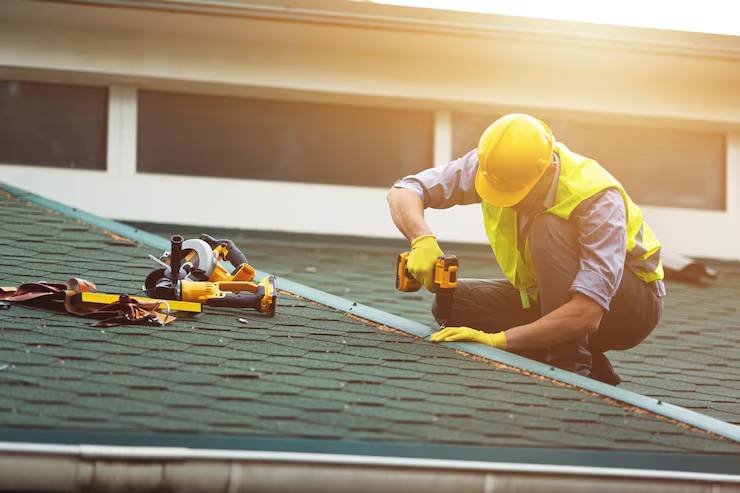
Featured Image Source: https://img.freepik.com/premium-photo/roofer-working-protective-work-wear-gloves_488220-76346.jpg?semt=ais_hybrid&w=740&q=80