Do Cottages on Wells or Lakes Need Different Filtration Systems?
The water at your cottage looks crystal clear. You’ve been drinking it for years. Your kids swim in the lake every summer and nothing bad has happened yet.
That doesn’t mean the water is safe.
Cottage water sources carry risks that city dwellers never think about. Well water sits stagnant between visits. Lake water picks up runoff from shoreline properties, algae blooms, and wildlife contamination. Neither gets municipal treatment. Neither gets tested regularly. And both can harbour bacteria, parasites, and dissolved contaminants that won’t show up until someone gets sick.
The filtration system you need depends entirely on whether you draw from a well or a lake. They face different contamination risks. They require different treatment approaches. And getting it wrong means either overspending on unnecessary equipment or underprotecting your family’s health.
This post compares both water sources and explains what filtration actually works for seasonal cottage use.
Water Quality Challenges Unique to Cottage Properties
Seasonal use creates problems you don’t see in year-round homes. Water sits in pipes for weeks or months between visits. That stagnation allows bacteria to multiply. Biofilm builds up inside plumbing. The first water out of your tap after opening the cottage might be worse than what’s in your well or lake.
No municipal treatment means no chlorine disinfection, no filtration plant, no daily monitoring. You’re responsible for water safety from source to glass. Most cottage owners never think about this until they get a positive bacteria test or someone gets sick.
Environmental factors hit cottages harder than residential properties. Agricultural runoff during spring melt carries fertilizers and manure into lakes and shallow wells. Algae blooms produce toxins that standard filters can’t remove. Wildlife leaves fecal contamination near water sources. Septic systems from neighbouring properties leak into groundwater. Your cottage might be pristine but the surrounding area still affects your water.
Seasonal temperature swings matter too. Cold water in spring and fall suppresses bacterial growth. Warm summer water accelerates it. Lake water in August carries different risks than the same lake in May. Well water stays more stable but surface contamination risks increase during wet seasons when water tables rise.
Testing frequency is usually terrible at cottages. People test when they buy the property or when lending requirements force them to. After that, maybe never. Compare that to municipal systems tested daily or weekly. You’re flying blind unless you make testing part of your seasonal routine.
The truth is cottages face higher contamination risks than year-round homes. Less oversight, more environmental exposure, seasonal stagnation, and delayed responses when problems develop. Filtration isn’t optional for cottages. It’s basic safety.
Filtration Needs for Cottages on Well Water
Well water at cottages picks up the same contaminants as residential wells but with added seasonal complications. Bacteria top the list. E. coli, total coliform, and other organisms enter wells through surface water infiltration, cracked casings, or inadequate well caps. A positive bacteria test means your water is unsafe to drink without treatment.
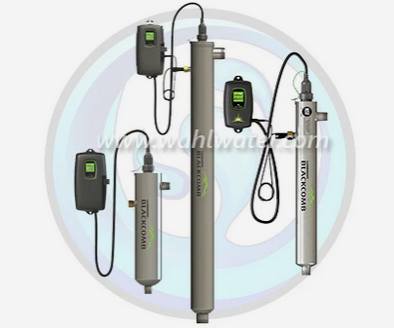
UV disinfection handles bacteria without chemicals. The system sits on your main line and exposes water to ultraviolet light that inactivates microorganisms. Wahl Water works with cottage owners across Canada and sees UV systems as standard equipment for seasonal wells, particularly in areas with shallow bedrock or known contamination issues.
But UV only kills organisms. It doesn’t remove anything. Sediment, iron, manganese, sulphur, and hardness minerals pass right through. You need mechanical and chemical filtration before the UV to address those.
Iron shows up as orange staining on sinks, toilets, and laundry. Concentrations above 0.3 mg/L cause problems. An iron filter using oxidation and filtration media removes it before it stains your fixtures. Some wells have both iron and manganese, which creates black staining on top of orange. Treatment is similar but the media choice changes.
Sulphur creates rotten egg smell. Low concentrations make water unpleasant. Higher levels corrode plumbing. Carbon filtration or specialized sulphur removal systems fix it depending on concentration.
Sediment clogs fixtures and damages pumps. A basic sediment filter catches particles before they reach your plumbing. Change it every few months during active season. More if your well pumps a lot of sand or silt.
Hardness minerals cause scale buildup. Water softeners remove calcium and magnesium through ion exchange. Whether you need this depends on hardness levels and how much scaling bothers you. Some cottage owners skip it to avoid maintenance. Others install it to protect water heaters and fixtures.
Whole-cottage systems treat all water entering the building. Point-of-use systems treat drinking water only. For cottages, whole-cottage makes sense if you have multiple problems: bacteria plus iron plus sediment. You protect plumbing, fixtures, and appliances while ensuring safe water everywhere.
Point-of-use works when your main concern is drinking water safety and everything else is acceptable. Install an under-sink RO or UV system in the kitchen. Leave the rest of the cottage on untreated well water. Cheaper, simpler, less maintenance.
Seasonal wells need winterization. Drain your filters before freeze-up or they crack. UV systems need to be drained and stored indoors in cold climates. Sediment and carbon filters can freeze if you leave water in them. Plan for this during closing procedures or you’ll replace equipment every spring.
Filtration Needs for Cottages Using Lake Water
Lake water is surface water. That means higher biological contamination risk than wells. E. coli from wildlife and septic systems. Giardia and Cryptosporidium parasites that survive in cold water. Viruses that UV kills but filters might miss. You can’t assume lake water is safe just because it looks clean.
Biological treatment requires UV disinfection at minimum. Better systems combine UV with fine filtration to catch parasites that UV doesn’t reliably inactivate. Cryptosporidium cysts are tough. They resist UV at normal residential doses. A 1-micron absolute filter catches them before UV. This two-stage approach covers bacteria, viruses, and parasites.
Turbidity is cloudiness from suspended particles. Algae, sediment, organic matter, and dissolved tannins all contribute. High turbidity blocks UV light from reaching organisms. Your UV system might be running but not disinfecting properly because the water is too cloudy.
Pre-filtration is non-negotiable for lake water. Start with a 20 or 50-micron sediment filter to catch large particles. Follow with a 5-micron filter for finer sediment. Then a 1-micron filter before UV. This staged approach extends filter life and ensures clear water reaches the UV chamber.
Organic matter from decomposing vegetation affects taste and can harbour bacteria. Carbon filtration removes some of it. Tannins from leaf litter and peat give water a tea colour. They’re not dangerous but they look bad and affect taste. Carbon helps with both.
Algae blooms produce toxins that standard filtration doesn’t remove. Blue-green algae (cyanobacteria) release microcystins and other compounds linked to liver damage. If your lake gets algal blooms, you need advanced treatment: activated carbon rated for toxin removal or reverse osmosis. Check provincial monitoring data for bloom history before assuming standard filtration is enough.
Multi-stage filtration for lake water typically looks like this:
Sediment filter (20 micron) to catch large particles
Sediment filter (5 micron) for finer particles
Carbon filter to remove taste, odour, and organic compounds
Fine sediment filter (1 micron) to protect UV and catch parasites
UV disinfection to kill bacteria and viruses
Optional RO system at kitchen sink for drinking water if toxins or dissolved contaminants are concerns
That’s more complex and more expensive than well water treatment. But lake water demands it. The contamination risks are higher and more variable. You can’t cut corners and expect safe water.
Intake location matters too. Shallow intakes near shore pick up more sediment and contamination than deep intakes in the middle of the lake. If you’re pumping from 2 feet of water near a beach, expect worse quality than a proper deep intake system. Filtration compensates but better source water reduces your treatment burden.
Whole-Cottage vs. Point-of-Use Systems for Seasonal Properties
Whole-cottage systems protect everything: drinking water, showers, dishwasher, washing machine, toilets. Every drop gets treated. This matters if you have contamination that affects fixtures, stains laundry, or impacts bathing safety.
Point-of-use systems treat drinking and cooking water only. Install a countertop or under-sink unit in the kitchen. Fill water bottles for brushing teeth. Accept that shower and sink water isn’t filtered. This approach works when your water is mostly okay but you want extra safety for consumption.
For cottages with bacteria in well water, whole-cottage UV makes sense. You eliminate the risk everywhere. No worries about kids brushing teeth at the bathroom sink or accidentally swallowing shower water. One system covers everything.
For lake water with high sediment and organics, whole-cottage filtration protects your plumbing and appliances from damage. Sediment scores shower valves. Tannins stain fixtures. Carbon filtration prevents both while improving water quality throughout the cottage.
Space and power considerations affect system choice. Whole-cottage filtration needs wall space near your pressure tank or main line. A basic sediment-carbon-UV setup requires 4 to 6 feet of space. Larger cottages with complex water issues might need 8 to 10 feet for multiple treatment stages. Not all cottages have that room.
Power requirements vary. UV systems need electricity to run the lamp. Some advanced filters need power for controls and backwashing. If your cottage has limited electrical service or runs on solar, point-of-use systems draw less power. A kitchen RO unit uses maybe 20 watts. A whole-cottage UV system uses 30 to 60 watts continuously.
Winterization complexity increases with whole-cottage systems. More equipment to drain, more connections to blow out, more potential freeze damage if you miss something. Point-of-use systems are simpler to winterize. Shut off the feed valve, drain the unit, done.
Cost differences are significant. A whole-cottage UV system with sediment pre-filters runs $800 to $1,500 installed. Add carbon filtration and you’re at $1,200 to $2,000. Add iron treatment or softening and costs climb to $2,500 to $4,000. A point-of-use RO or UV system for the kitchen costs $300 to $800 installed.
Installation complexity matters for DIY cottage owners. Under-sink or countertop systems are weekend projects. Whole-cottage systems require cutting into the main line, mounting equipment, and ensuring proper drainage. Some people handle this fine. Others call a plumber or water treatment specialist.
How to Choose the Right Filtration System for Your Cottage
Start with water testing. Full bacteriological analysis plus mineral content. That’s bacteria, nitrates, hardness, iron, manganese, pH, TDS, and anything else relevant to your area. Labs charge $100 to $200 for comprehensive testing. Do it every spring at minimum, more often if you have known issues or see seasonal variation.
Test results tell you what treatment you actually need. Positive bacteria test means UV or disinfection is mandatory. High iron means you need an iron filter. High hardness means consider a softener. No test means you’re guessing and probably buying wrong.
Budget drives decisions but don’t cheap out on safety. UV disinfection for bacterial contamination isn’t optional. That’s your baseline for both well and lake water. Everything else is about comfort and protecting equipment. You can live with iron staining if money is tight. You can’t safely ignore bacteria.
Usage frequency affects system sizing and complexity. Weekend cottages with light use can run smaller systems. Summer cottages with full-time occupancy for three months need proper sizing for flow rate and demand. Think about peak usage: morning showers, dishwasher, laundry running at once. Size systems for realistic demand or you’ll get pressure drops and flow issues.
Occupancy size matters for the same reason. Two people use less water than eight. A family cottage hosting extended family needs bigger treatment capacity than a couple’s retreat. Match your system to actual use patterns.
DIY vs. professional installation depends on your skill level and comfort with plumbing. Simple systems like under-sink filters are DIY-friendly. Whole-cottage UV and filtration systems are doable for experienced homeowners but mistakes cause leaks, pressure problems, or ineffective treatment. A water treatment specialist ensures proper installation and can advise on system selection based on your specific water chemistry.
Long-term maintenance planning prevents failures. Who changes filters when you’re not at the cottage? How do you track replacement schedules? What happens if the UV lamp fails mid-summer? Having spare filters and a maintenance log prevents scrambling when something needs attention.
Reliability matters more at cottages than at home. You’re remote. Service calls are expensive or impossible. Systems need to work unsupervised for weeks at a time. Choose proven equipment with good track records over cheap units that might fail. The price difference is small compared to ruined vacations.
FAQs
Is lake water safe to drink with filtration?
Yes, if properly filtered. You need multi-stage treatment: sediment filtration, carbon filtration, and UV disinfection minimum. Add 1-micron filtration for parasite protection. If your lake has algae blooms, consider point-of-use RO for drinking water. Test regularly to confirm your system is working.
Do cottages on wells need UV systems?
If bacteria testing is positive, absolutely. Even wells that tested clean years ago can develop contamination. Seasonal wells are especially vulnerable to surface water infiltration during spring runoff. UV is the most reliable bacterial disinfection for cottages. No chemicals, no taste issues, low maintenance if you winterize properly.
What is the best filtration system for seasonal cottages?
Depends on your water source and test results. For wells with bacteria: sediment filter plus UV. For lake water: multi-stage sediment, carbon, and UV. For either with additional issues like iron or hardness: add specialty filters. Best approach is test first, then choose treatment that matches your specific contamination.
How often should cottage water be tested?
At least annually, preferably every spring before opening. Test more often if you notice changes in taste, odour, or appearance. Test after any flooding, new construction nearby, or septic system work in your area. If you have known seasonal variation, test both spring and late summer to catch different conditions.
Can one system work for both well and lake water?
Yes and no. Both need UV for bacteria. Both benefit from sediment and carbon filtration. But lake water typically needs more aggressive sediment filtration and finer filters before UV due to higher turbidity. A system designed for lake water works for a well. A basic well system might not handle lake water adequately. Choose based on your more challenging water source.
Get your water tested this spring. Know what you’re dealing with. Then match your filtration to actual contamination risks, not what sounds good or what your neighbour installed. Your cottage water is different from theirs. Your system should be too