What Certifications Are Required for Drug Manufacturing Companies in India?
Operating a pharmaceutical manufacturing facility without proper certifications can result in immediate shutdown, confiscation of inventory, and legal prosecution. Certifications aren’t just bureaucratic formalities. They represent your license to operate legally and your passport to profitable export markets. India supplies medicines to over 200 countries, but this global reach depends entirely on manufacturers holding the right certifications that prove compliance with national and international standards. Some certifications are mandatory for all manufacturers regardless of market focus. Others become necessary only when targeting specific export destinations. Understanding which certifications your facility needs prevents costly delays in production launches and market entry. This post examines five certification categories that determine whether drug manufacturing companies in India can operate legally and compete globally.
Drug Manufacturing License Issued by CDSCO and State Drug Authorities
The Central Drugs Standard Control Organisation oversees pharmaceutical regulation at the national level in India, but actual manufacturing licenses come from State Licensing Authorities in most cases. This dual structure sometimes confuses new manufacturers who expect a single national authority to handle all approvals. For example, drug manufacturing companies in India typically apply to their state’s Drugs Control Department for manufacturing licenses rather than directly to CDSCO, though CDSCO maintains oversight and sets standards that state authorities enforce.
Form 25 licenses authorize manufacturing of medications for sale within India. These licenses specify which dosage forms your facility can produce: tablets, capsules, liquids, ointments, or injectables. You cannot manufacture a dosage form not listed on your license even if you have the equipment and expertise. Expanding into new dosage forms requires license amendments through formal application processes.
Form 28 licenses allow manufacturing for export purposes. The distinction matters because some facilities focus exclusively on export markets and need Form 28 rather than Form 25. Others maintain both licenses to serve domestic and international customers simultaneously. The application requirements differ slightly between the two forms, with Form 28 requiring additional documentation about intended export markets.
Site approvals involve physical inspection of your manufacturing facility by licensing authority officials. They examine your premises, equipment, quality control laboratory, storage areas, and documentation systems. Deficiencies discovered during inspection delay license issuance until you address all observations satisfactorily. This inspection process can take weeks or months depending on the authority’s workload and your facility’s readiness.
Periodic renewals keep manufacturing licenses valid. Most state authorities issue licenses with five-year validity periods, requiring renewal applications before expiration. The renewal process typically involves re-inspection to verify continued compliance with GMP standards. Manufacturers operating with expired licenses face serious penalties including facility closure.
License variations and amendments handle changes in your manufacturing scope. Adding new products, expanding dosage form capabilities, or increasing production capacity often requires submitting variation applications. Some changes qualify as minor variations processed administratively, while major changes trigger new inspections and extended approval timelines.
Good Manufacturing Practice (GMP) Certification (Schedule M)
Schedule M under India’s Drugs and Cosmetics Act specifies GMP requirements that all pharmaceutical manufacturers must follow. This schedule outlines facility standards, equipment specifications, process controls, quality systems, and documentation requirements that form the baseline for legal pharmaceutical manufacturing in India. Compliance with Schedule M isn’t optional. It’s the foundation of your manufacturing license.
Facility standards under Schedule M address building design, layout, and construction materials. Production areas need appropriate size for operations performed. Air handling systems must prevent cross-contamination. Water systems require purification equipment producing pharmaceutical-grade water. Lighting, ventilation, and drainage all face specific requirements. Perhaps what surprises new manufacturers most is the level of detail Schedule M prescribes for seemingly simple facility aspects.
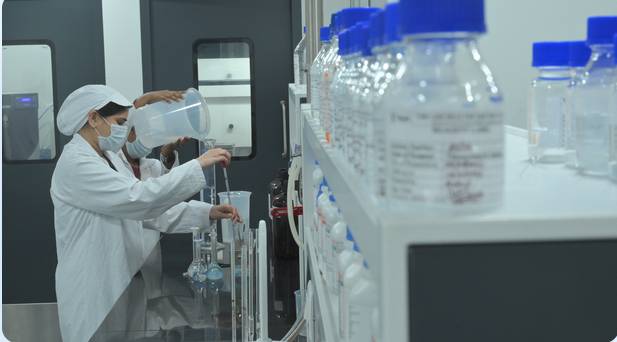
Hygiene requirements extend to personnel practices, cleaning procedures, and pest control. Operators follow gowning protocols before entering production areas. Cleaning validation proves that sanitation procedures remove residues between batches. Pest management programmes prevent contamination from insects or rodents. These hygiene controls create the controlled environment necessary for pharmaceutical production.
Process controls ensure manufacturing consistency batch after batch. Equipment qualification demonstrates machinery performs within specified parameters. Process validation proves that your manufacturing procedures consistently produce medicines meeting quality standards. In-process controls monitor critical parameters during production, catching deviations before they ruin entire batches.
Documentation requirements create traceability throughout manufacturing operations. Standard operating procedures describe how to perform every activity. Batch manufacturing records capture what actually happened during each batch’s production. Deviation reports track departures from standard procedures. Manufacturers produce mountains of paperwork to satisfy Schedule M documentation expectations.
Quality control laboratories must meet Schedule M specifications for space, equipment, and testing capabilities. Manufacturers cannot outsource all quality testing to external laboratories. Your facility needs in-house testing capacity for critical quality attributes, though some specialized tests can go to approved external laboratories.
The mandatory nature of Schedule M compliance means every pharmaceutical manufacturer in India, from the smallest single-product facility to the largest multi-site corporation, must meet these requirements. State licensing authorities verify Schedule M compliance during their inspections before issuing or renewing manufacturing licenses.
WHO-GMP Certification for International Supply
WHO-GMP certification takes Indian manufacturers beyond Schedule M requirements to meet World Health Organisation standards recognised globally. This certification becomes critical when targeting export markets, particularly in Africa, Asia, and Latin America where procurement agencies and national drug authorities require WHO-GMP certification from suppliers.
WHO-GMP requirements align more closely with international expectations than Schedule M in several areas. Documentation standards, quality systems, and validation requirements under WHO-GMP often exceed what Schedule M demands. Facilities seeking WHO-GMP certification typically need upgrades to their quality infrastructure even when they already comply with Schedule M.
The certification process involves application to WHO’s prequalification programme or inspection by WHO-approved auditors. These inspections examine your facility comprehensively, often taking several days and involving multiple inspectors. They review documentation, interview staff, observe production activities, and test your quality systems through detailed questioning and record examination.
Differences between Schedule M and WHO-GMP create confusion for manufacturers deciding which standard to pursue. Schedule M represents the legal minimum for Indian domestic manufacturing. WHO-GMP provides internationally recognised certification that opens export opportunities. Many manufacturers maintain both: Schedule M compliance for their manufacturing license and WHO-GMP certification for export credibility.
Export markets in Africa and Asia frequently mandate WHO-GMP certification from suppliers. International organisations like UNICEF, the Global Fund, and various national procurement agencies require it. Without WHO-GMP certification, manufacturers cannot compete for contracts in these markets regardless of their pricing or product quality.
The time and cost investment for WHO-GMP certification can be substantial. Facility upgrades, system improvements, and documentation enhancement often cost millions of rupees. The inspection and certification process itself requires fees and consultant support. But for manufacturers serious about export markets, WHO-GMP certification represents essential infrastructure rather than optional enhancement.
Product-Specific Approvals and Quality Certifications
Manufacturing licenses and GMP certifications allow you to operate a facility, but you cannot sell specific medicines without product-level approvals. Each formulation requires separate approval from drug regulatory authorities in every market where you intend to sell it. These product permissions verify that your specific medicine meets quality, safety, and efficacy standards.
Formulation approvals in India require submission of detailed technical documentation to CDSCO or state drug authorities. This documentation includes formulation composition, manufacturing process description, quality control testing methods, packaging specifications, and stability data supporting the proposed shelf life. Generic medicines face somewhat simpler approval pathways than new chemical entities, but the documentation burden remains significant.
Certificates of Pharmaceutical Product (CoPP) serve as official confirmations that your product is approved and manufactured under GMP conditions in India. Many export markets require CoPP as part of their product registration process. CDSCO issues these certificates upon request for products already approved in India, essentially vouching for your product’s legitimacy to foreign regulators.
Stability studies demonstrate how your product changes over time under various storage conditions. Regulatory authorities require real-time stability data at recommended storage temperatures supporting your shelf life claims. Accelerated stability studies at elevated temperatures help predict long-term stability patterns. These studies take months or years to complete, making them one of the longest lead-time items in product development.
Bioequivalence requirements apply to oral solid dosage forms of drugs already marketed. Generic manufacturers must prove their products deliver the same amount of active ingredient to the bloodstream at the same rate as the reference branded product. These studies require clinical research facilities, healthy volunteers, and sophisticated analytical testing. Not every product needs bioequivalence studies, but many do, and the requirement can delay market entry significantly.
The accumulation of product approvals across multiple markets creates substantial regulatory workload for manufacturers serving diverse geographies. Each country has its own submission requirements, approval timelines, and renewal schedules. Managing this regulatory complexity demands dedicated staff and systems tracking approval status, renewal deadlines, and variation requirements across your product portfolio.
Export-Focused Certifications (US FDA, EU-GMP, ISO)
US FDA approval represents the gold standard for pharmaceutical manufacturers worldwide. Indian facilities serving the American market must register with FDA and pass rigorous inspections verifying compliance with FDA’s current Good Manufacturing Practice regulations. These inspections can occur unannounced and examine every aspect of operations with intensity that often exceeds inspections from other authorities.
The FDA approval process for facilities and products involves different pathways depending on whether you’re manufacturing generic or branded medicines. Generic manufacturers file Abbreviated New Drug Applications (ANDAs) containing bioequivalence data and manufacturing information. The FDA reviews these applications extensively and inspects your facility before approving your product for the American market.
EU-GMP certification allows supply to European Union markets. European authorities conduct inspections similar to FDA but sometimes with different focus areas and documentation expectations. Maintaining both US FDA and EU-GMP approvals simultaneously requires quality systems sophisticated enough to satisfy the most demanding aspects of both regulatory philosophies.
ISO certifications add another layer of quality credentials that some manufacturers pursue. ISO 9001 covers quality management systems broadly across industries. ISO 14001 addresses environmental management. While not specifically pharmaceutical standards, these ISO certifications demonstrate systematic approaches to quality and environmental responsibility that some customers value.
Client-driven certifications emerge from specific customer requirements beyond regulatory mandates. Large pharmaceutical companies auditing potential contract manufacturers sometimes require certifications that go beyond minimum regulatory requirements. These might include specific quality system standards, environmental certifications, or social responsibility credentials.
Market-specific certifications vary by destination country. Brazil has ANVISA requirements. Australia has TGA standards. Middle Eastern countries may require GCC certification. Manufacturers targeting global markets must research certification requirements in each destination and prioritise based on market size and strategic importance.
The decision about which export certifications to pursue depends on your target markets and available resources. Obtaining FDA approval and WHO-GMP certification positions manufacturers for most global opportunities. Adding EU-GMP expands access to premium European markets. Each certification requires significant investment in facility upgrades, system improvements, and ongoing compliance maintenance.
Conclusion
Drug manufacturing companies in India need multiple certifications operating at different levels. Manufacturing licenses from state authorities provide legal permission to operate. Schedule M GMP compliance forms the mandatory baseline for all manufacturers. WHO-GMP certification opens international opportunities. Product-specific approvals allow sale of individual medicines. Export certifications like US FDA or EU-GMP gate access to regulated markets. Understanding which certifications are mandatory versus market-dependent helps manufacturers plan their compliance investments strategically. The right certification portfolio transforms from regulatory burden into competitive advantage, demonstrating quality commitment to customers and regulators while enabling access to profitable markets worldwide. Proactive compliance planning, beginning before facility construction rather than after production starts, creates the foundation for sustainable pharmaceutical manufacturing success.
Frequently Asked Questions
Is WHO-GMP mandatory for all drug manufacturers in India?
WHO-GMP certification is not mandatory for manufacturers serving only the Indian domestic market. Schedule M compliance through your state manufacturing license suffices for domestic sales. WHO-GMP becomes practically mandatory when targeting certain export markets, particularly in Africa, Asia, and for supplying international organisations. Many procurement agencies and national drug authorities in developing countries require WHO-GMP certification from their suppliers, making it essential for export-focused manufacturers even though Indian law doesn’t mandate it.
What is the difference between Schedule M and WHO-GMP?
Schedule M represents India’s national GMP standard under the Drugs and Cosmetics Act, forming the legal baseline for pharmaceutical manufacturing in India. WHO-GMP aligns with World Health Organisation standards recognised internationally and generally exceeds Schedule M requirements in areas like documentation, validation, and quality systems. Facilities can comply with Schedule M while falling short of WHO-GMP expectations. Most export-oriented manufacturers maintain both: Schedule M for legal compliance and WHO-GMP for international market access.
How long does it take to obtain GMP certification in India?
The timeline varies based on facility readiness and the certifying authority’s workload. For a well-prepared facility seeking Schedule M compliance through their state manufacturing license, the process typically takes 3-6 months from application to license issuance. This includes inspection scheduling, the inspection itself, addressing any observations, and administrative processing. WHO-GMP certification often takes longer, sometimes 6-12 months, particularly if facility upgrades are needed to meet the higher standards. Manufacturers starting from scratch should plan at least 12-18 months from facility construction to obtaining necessary certifications and beginning commercial production.
Do small pharma manufacturers need the same certifications?
Yes. Certification requirements don’t scale based on company size. A small manufacturer producing one product needs the same manufacturing license and Schedule M GMP compliance as a large corporation producing hundreds of products. The facility standards, quality systems, and documentation requirements apply equally regardless of scale. Export certifications like WHO-GMP or US FDA approval depend on target markets rather than company size. Small manufacturers serving only domestic markets can operate with just their state manufacturing license and Schedule M compliance, while those targeting exports need additional certifications regardless of their size.