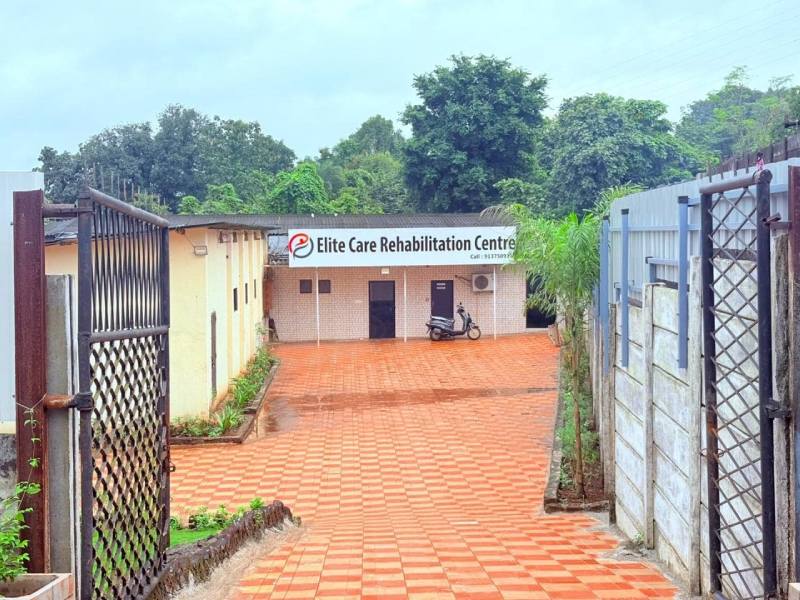
Is Elite Care Rehabilitation Centre Right for Alcohol and Drug Addiction Recovery?
Choosing a rehabilitation centre feels overwhelming when you’re already dealing with the weight of addiction. Every facility claims to offer the best care, the most caring staff, the highest success rates. How do you know which one will actually help?
The truth is, not every centre is right for every person. Some focus on quick detox. Others emphasize long-term lifestyle change. Some work well for working professionals. Others are better suited for people who need intensive, round-the-clock support.
Elite Care Rehabilitation Centre is one option for alcohol and drug addiction recovery. This article breaks down what the centre offers, how it approaches treatment, and what factors you should consider before making a decision. By the end, you’ll have a clearer picture of whether this environment matches what you or your loved one needs right now.
Understanding the Treatment Approach at Elite Care Rehabilitation Centre
The way a centre thinks about addiction shapes everything else—the therapies they use, the daily routines they create, the goals they set for patients.
Elite Care takes a holistic view. That means they don’t just focus on stopping the substance use. They look at why someone started using in the first place. What emotional pain are they trying to escape? What mental health issues are underneath the addiction? What life circumstances made drugs or alcohol feel like the only option?
This approach combines evidence-based medical treatment with psychological support and lifestyle changes. Detox gets the substance out of the body. Therapy addresses the emotional and mental patterns. Life skills training prepares someone to live differently once they leave.
Both alcohol and drug addiction are treated here. The centre recognizes that while the substances differ, the underlying issues often overlap. Someone addicted to alcohol might be self-medicating anxiety. Someone using drugs might be avoiding trauma. The treatment needs to go deeper than just the physical dependence.
What makes this approach different?
It’s the combination. Many centres do detox well but don’t spend enough time on emotional healing. Others focus heavily on therapy but lack proper medical oversight. Elite Care tries to balance both sides—physical safety and psychological recovery.
That said, holistic care takes time. If someone is looking for a quick fix or a short program, this might not be the right fit. Real change requires commitment, and the centre structures programs around that reality.
Medical Care, Detox, and Safety Standards
Detox is where most people feel the most vulnerable. Withdrawal symptoms vary depending on the substance, the length of use, and individual health factors. Alcohol withdrawal can be particularly dangerous without medical supervision. Opioid withdrawal is painful enough to drive people back to using just to make it stop.
Elite Care provides medically supervised detox. Doctors assess each person’s physical condition before starting the process. They monitor vital signs throughout withdrawal and adjust medications as needed to manage symptoms safely.
The goal is to make detox as comfortable as possible while keeping the person safe. Some facilities rush through this phase. Elite Care takes the time needed to stabilize someone properly before moving into the next stage of treatment.
Why does this matter? Because if detox is mishandled, people leave. They go back to using because the pain was too much. Or they develop complications that could have been prevented. Professional care during withdrawal isn’t optional—it’s the foundation of everything that comes after.
For families researching options, ask about the alcohol detox centre protocols. Find out if doctors are on-site or just on call. Ask how they handle medical emergencies. A good drug rehab facility should be able to answer these questions clearly and without hesitation.
Therapy, Counseling, and Mental Health Support
Getting clean is only part of the work. Staying clean requires understanding why addiction happened in the first place and building different ways to cope with life’s problems.
Elite Care offers both individual and group therapy. Individual sessions give people space to work through personal issues—trauma, grief, shame, anger, fear. Therapists use techniques like cognitive behavioral therapy to help patients identify negative thought patterns and replace them with healthier ones.
Group therapy adds a different layer. It’s where people realize they’re not alone. Hearing someone else describe the exact feelings you thought only you had can be powerful. Group settings also teach communication skills, accountability, and empathy. People learn to talk about their struggles without hiding or making excuses.
One thing that sets some centres apart is their approach to co-occurring mental health conditions. Depression, anxiety, bipolar disorder, PTSD—these often exist alongside addiction. Sometimes the mental health issue came first and the substance use was an attempt to self-medicate. Other times, long-term substance use created or worsened mental health problems.
Elite Care addresses both. Treating addiction without treating the underlying mental health issues usually leads to relapse. Someone might stop drinking but still struggle with untreated depression. Without support, they’ll likely turn back to alcohol because nothing else changed.
The emotional and psychological healing that happens in therapy is what makes long-term recovery possible. It’s uncomfortable work. People have to face things they’ve been avoiding for years. But centres that skip this part or rush through it are setting people up to fail.
Therapy stages might look something like this:
- Initial assessment and goal setting
- Building trust with therapists and peers
- Processing trauma or emotional pain
- Developing coping strategies
- Practicing new behaviors in a safe environment
- Preparing for life outside the facility
Each stage builds on the previous one. Skipping ahead doesn’t work.
Environment, Facilities, and Daily Routine
The physical environment matters more than people might think. Recovery requires focus, and that’s hard to maintain in a chaotic or uncomfortable setting.
Elite Care provides structured living conditions. Rooms are clean and functional. Meals are provided. The space is designed to reduce distractions and create a sense of calm. It’s not luxury, but it’s not institutional either. The goal is to make people feel safe enough to do the hard work of recovery.
Daily schedules are structured. Wake-up times, meals, therapy sessions, group activities, personal time—everything has a slot. For some people, this level of structure feels restrictive at first. But structure is part of the treatment. Addiction often destroys routines. People stay up all night, skip meals, lose track of time. Rebuilding healthy patterns starts with a predictable daily rhythm.
A typical day might include:
- Morning meditation or exercise
- Breakfast and personal time
- Individual therapy session
- Group therapy or educational workshop
- Lunch
- Recreational activity or skill-building class
- Dinner
- Evening reflection or journaling
- Lights out at a set time
This might sound rigid. But for someone whose life has been chaotic for months or years, it’s grounding. The predictability allows the brain to start healing without constant decision fatigue.
The supportive environment also comes from the people. Staff members are trained to handle crises without judgment. Other patients become a community. You’re surrounded by people who understand what you’re going through because they’re going through it too.
Aftercare, Family Involvement, and Long-Term Recovery Support
What happens after someone completes the program? That question determines whether treatment leads to lasting change or just temporary sobriety.
Elite Care offers post-treatment follow-ups. These check-ins help people stay on track during the difficult transition back to regular life. Some centres offer phone calls. Others schedule in-person sessions. The format matters less than the consistency. Regular contact with the treatment team keeps someone connected to their recovery goals.
Relapse prevention is a major focus during aftercare. Patients learn to recognize their personal warning signs—changes in mood, isolation, overconfidence, returning to old places or people. They create action plans for what to do when cravings hit or stress becomes overwhelming.
Family involvement is encouraged throughout treatment and after. Addiction affects everyone in a household. Families often develop unhealthy patterns—enabling, codependency, denial. Family counseling helps repair relationships and teaches loved ones how to support recovery without making things worse.
Family education covers topics like:
- What addiction does to the brain
- How to set healthy boundaries
- What enabling looks like and how to stop it
- Warning signs of relapse
- How to communicate without triggering defensiveness
When families are educated and involved, recovery rates improve. But not everyone has supportive family. Some people need to create new support systems through friends, support groups, or community connections. Elite Care helps with that transition too.
Long-term recovery success isn’t measured just by days sober. It’s measured by quality of life—whether someone can hold a job, maintain relationships, handle stress without substances, and find meaning in their daily activities. Aftercare supports all of that.
Before enrolling in any program, ask detailed questions about aftercare. How long does it last? Is it included in the cost or extra? What happens if someone struggles after discharge? Centres that don’t have clear answers might not prioritize this critical phase.
Conclusion
Choosing a rehabilitation centre is personal. What works for one person might not work for another. Elite Care Rehabilitation Centre offers structured medical care, comprehensive therapy, a supportive environment, and ongoing aftercare. These elements form a complete approach to alcohol and drug addiction recovery.
But no single article can tell you if it’s the right choice for your specific situation. Visit the facility if possible. Ask questions. Talk to staff members. Get a feel for the environment. Most centres offer consultations or assessments before enrollment.
Recovery is possible, but it requires the right support at the right time. Take the time to find a programme that matches the needs of the person seeking help.
FAQs
Q1. Who is suitable for Elite Care Rehabilitation Centre?
Anyone dealing with alcohol or drug addiction who wants structured, professional treatment. The centre works with people at different stages of addiction, from those just recognizing they have a problem to those who’ve tried other treatments without success.
Q2. Does the centre treat both alcohol and drug dependency?
Yes. The centre addresses multiple forms of substance abuse. While the specific substances differ, the treatment approach focuses on the underlying causes of addiction, which often overlap regardless of the substance involved.
Q3. How long are the treatment programs?
Program length varies based on individual needs. Some people benefit from 30-day programs. Others need 60 or 90 days, or longer. The treatment team assesses each person’s situation and recommends an appropriate timeline.
Q4. Is family involvement encouraged during treatment?
Yes. Family participation often improves recovery outcomes. The centre offers family counseling and education sessions. Even if family relationships are strained, involving loved ones in the recovery process can help repair damage and build healthier patterns moving forward.