GPS Route Coordination Strategies Used by a Modern Towing Company for Faster Assistance
There was a time when calling for a tow truck mostly meant sitting around and waiting without really knowing what was happening on the other end. Maybe somebody gave an estimate over the phone. Maybe the truck will show up in twenty minutes. Maybe it took two hours because traffic was backed up somewhere nobody accounted for. Drivers got used to that uncertainty because, honestly, there was not much else to compare it to back then.
Modern dispatch systems work very differently now. A professional towing company operating in a city like Miami has to think less like a single truck responding to calls and more like a constantly moving network coordinating vehicles, traffic conditions, equipment availability, and road patterns simultaneously. The goal is not just to get a truck out eventually. It is getting the right truck to the right situation through the fastest possible route without wasting time doubling back across the city.
What most people do not see in emergency towing services is how much of the response time depends on behind-the-scenes route coordination. GPS tracking, live traffic monitoring, dispatch communication, and service zoning all play a role in determining how quickly help actually arrives. In larger metro areas, especially, shaving even ten or fifteen minutes off response time can make a major difference for stranded drivers sitting on the shoulder during heavy traffic or bad weather.
How Dispatch Systems Actually Work
Older dispatch systems relied heavily on radio communication and rough familiarity with local streets. Drivers would manually call in locations, dispatchers would estimate distances, and routes were often based on habit rather than real-time traffic conditions. That approach still technically works, but once traffic congestion becomes unpredictable, the delays start stacking up fast.
Modern GPS coordination systems now continuously track truck locations throughout the day. Dispatchers can see which vehicle is closest to a call, which one has the right towing setup already attached, and which route currently has the least traffic slowdown. In a city like Miami, where traffic patterns can shift dramatically within half an hour, that kind of live adjustment matters a lot more than people probably realize.
Service Zones and Coverage Planning
Most professional towing operations divide their service areas into zones rather than treating the city as a single coverage area. Certain trucks stay positioned closer to highways. Others may remain near commercial districts or construction-heavy areas where equipment transport calls happen more often. Light-duty towing trucks might remain concentrated along commuter corridors, where breakdowns are more common during rush hour.
The point is not just covering more ground. It is reducing unnecessary travel time between calls. A truck crossing the entire city every time dispatch receives a request creates delays for everybody else still waiting in line afterward. Smarter positioning keeps response times more consistent throughout the day, rather than creating large swings depending on where the nearest driver happens to be at the moment.
Why Traffic Data Changes Everything
Traffic probably affects towing response times more than almost any other factor. A route that looks shortest on paper can easily become the slowest option once accidents, construction zones, lane closures, or even traffic start building up across the city. GPS coordination software constantly updates those conditions in real time rather than relying on fixed routes.
This becomes especially important during emergency recoveries or accident response situations. Secondary congestion builds quickly around crashes, and getting a tow truck into position safely often requires rerouting well before reaching the actual scene. Experienced dispatchers learn pretty quickly that the fastest route usually is not the most obvious one once Miami traffic gets involved.
Equipment Matching Before Dispatch
Not every towing call needs the same type of truck or equipment setup, either. Flatbed towing, motorcycle towing, pallet transport, light machinery transport, and construction equipment hauling all require different configurations. Sending the wrong truck first wastes time for both the company and the customer waiting roadside.
Good coordination systems immediately factor equipment compatibility into dispatch decisions. Instead of simply assigning whichever truck happens to be nearest, dispatchers balance distance with capability. Sometimes the second-closest truck arrives faster overall because it already has the correct setup ready to go, rather than needing additional adjustments back at the yard.
Communication Matters More Than People Think
One thing that still separates strong towing operations from disorganized ones is communication. GPS software helps a lot, obviously, but drivers and dispatchers still need to stay in constant contact with each other throughout the process. Road closures change. Vehicle conditions turn out differently from expected. Customers sometimes give inaccurate locations when stressed out on the roadside.
Keeping communication clear prevents small problems from turning into major delays. Drivers can reroute faster, dispatch can update arrival estimates more accurately, and customers spend less time wondering whether help is actually coming. That alone tends to make breakdown situations feel a little less frustrating for everybody involved.
Route coordination probably is not the first thing most drivers think about when calling a tow truck, but it quietly affects almost every part of the experience once help is needed. Companies that invest in proper dispatch planning, live GPS tracking, and smarter service coverage usually deliver noticeably faster response times without creating unnecessary confusion along the way. Working with an experienced operation like Quintana Towing Services LLC means the behind-the-scenes process is already organized long before the next roadside call even comes in.
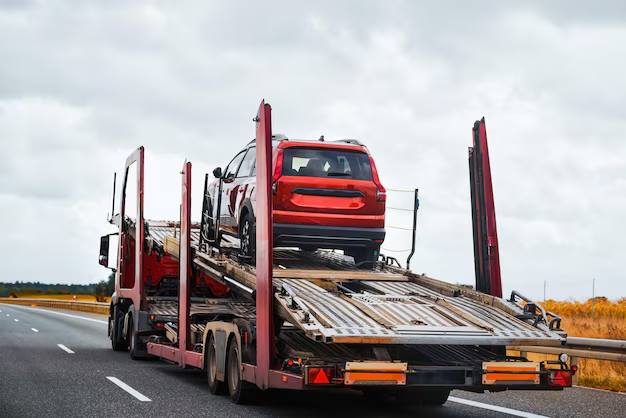
Featured Image Source: https://img.freepik.com/premium-photo/tow-truck-carries-car-flatbed-trailer-highway-providing-transport-service-assistance-after-accident_782515-9728.jpg